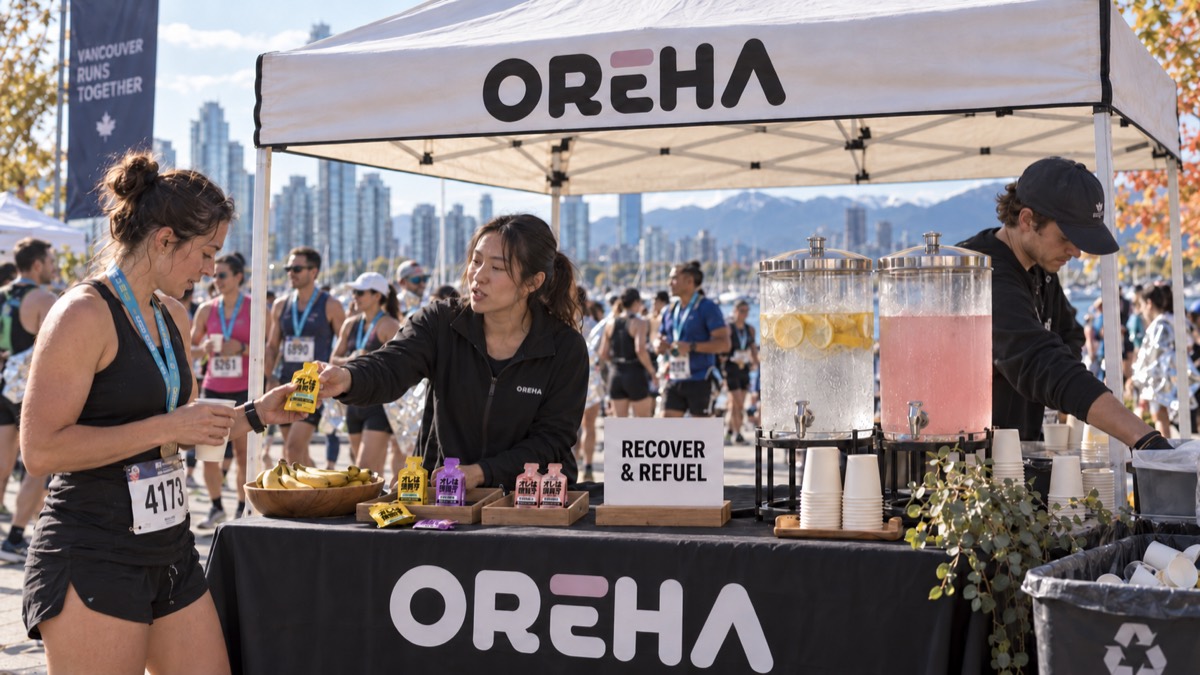
1471
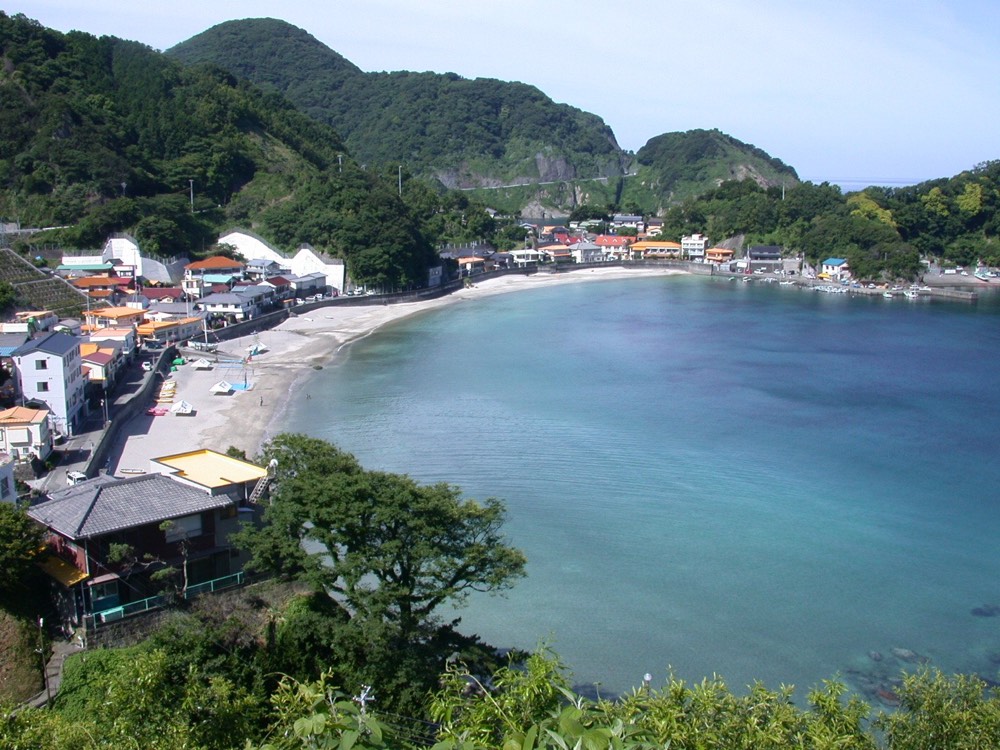
Roots in Iwachi.
Daito Suisan traces its family story to an ancestor settling in Iwachi, a coastal village in Matsuzaki on the Izu Peninsula. Later generations make their living from bonito fishing and producing katsuobushi, or dried bonito, according to the company’s history.
1947
Out into deeper waters.
The family establishes Iwachi Suisan and begins deep-sea fishing. Its history records several tuna longline boats, with the fishing chapter continuing until 1989.
1991
A new chapter in Yaizu.
The family leaves fishing, relocates to Yaizu and starts a seafood-processing business. This is the beginning of the processing company, distinct from the much older family story.
2003
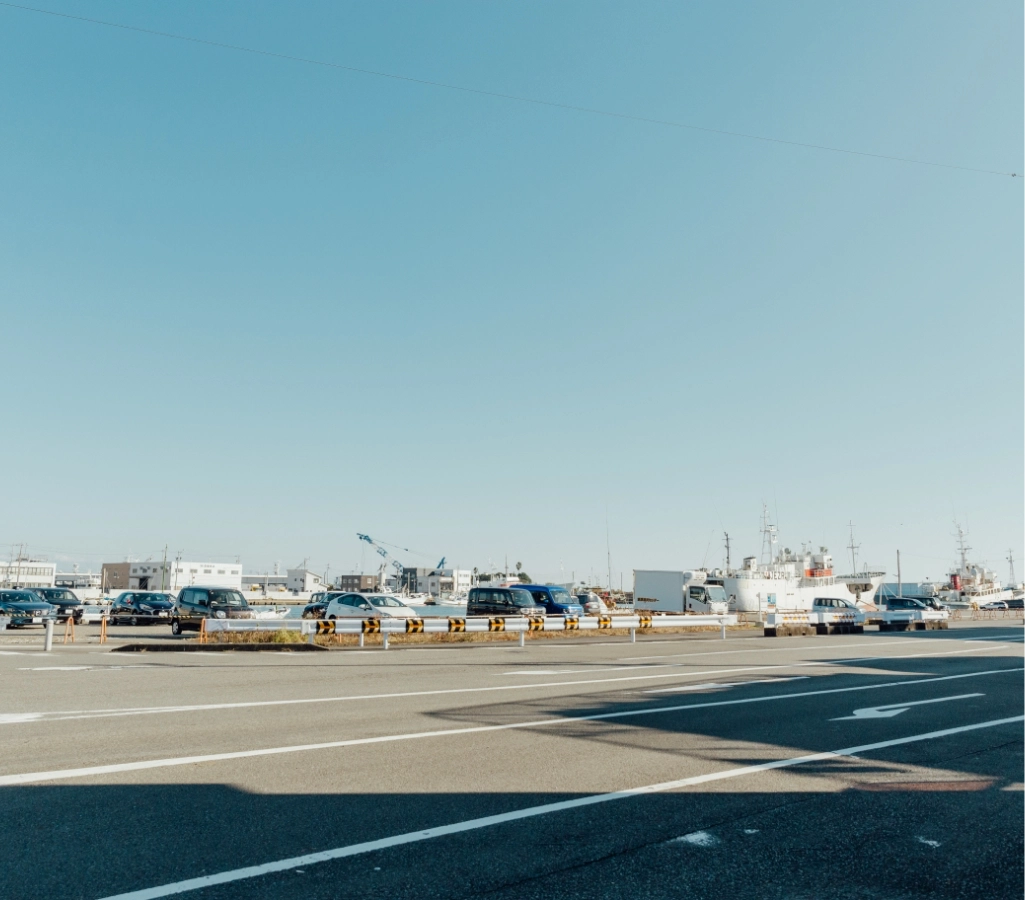
The Daito Suisan name.
A new factory opens in Tajiri, Yaizu. The company takes the name Daito Suisan, marking the next stage of its seafood-processing business.
2008
From seafood craft to food development.
A collagen division begins in 2008. The following year, the company starts selling a tuna-skin collagen jelly, an earlier product chapter before OREHA.
2017
OREHA is born.
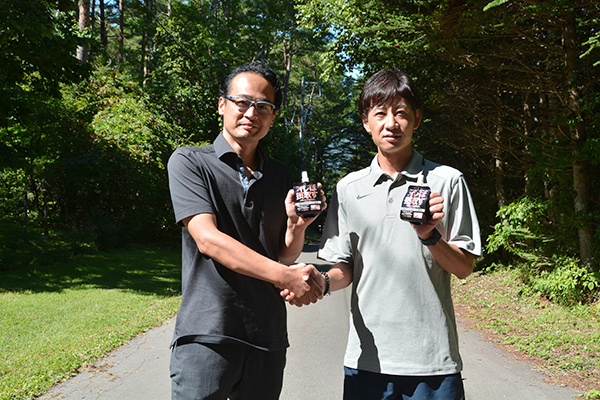
The original apple jelly launches on December 18, following development with Fujieda MYFC players that the brand dates to 2014.
2018
From Japan, a little further.
OREHA reaches Tokyu Hands in Shinjuku and Shibuya. Online sales open in Hong Kong, alongside reported sales in Singapore and Vietnam.
2019
A connection to the trails.
OREHA sponsors the Izu Trail Journey, close to the family’s coastal roots, and becomes an official Yaizu City hometown-tax gift.
2020
Independent testing enters the story.
The original 180 g jelly earns Informed Choice certification. Certification of the Energy gels follows separately in 2025.
2021
A university partnership takes shape.
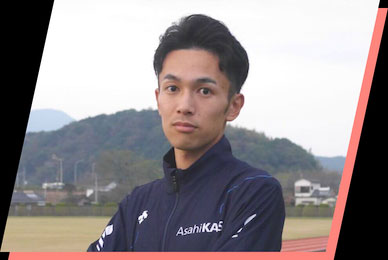
A formal Toyo University support agreement joins new relationships with athletes Akira Aizawa and Masatora Kawano, and middle-distance team Ami AC SHARKS.
2022
The team gets its own edition.
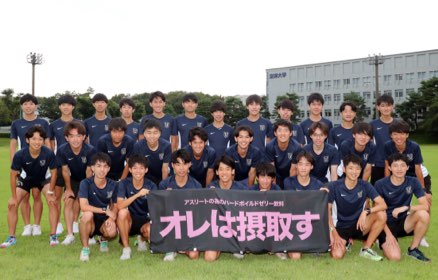
The Toyo University “Tetsukon Version” reaches campus co-ops and selected stores around Hakone. A separate sleep supplement joins the wider brand.
2023
Meet the gels.
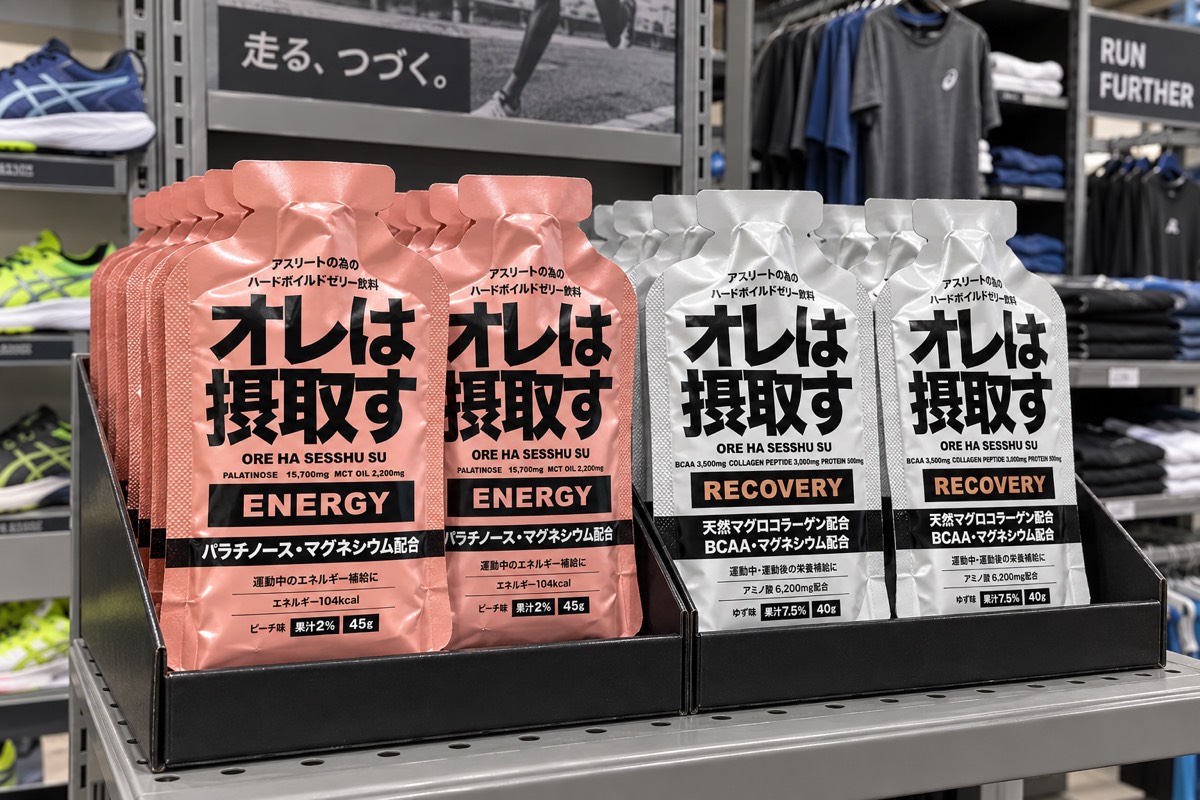
Energy Peach and Recovery Yuzu launch in May, with placements at Art Sports and Ishii Sports. Two distinct ranges, in a smaller format.
2024
Grape joins the line-up.
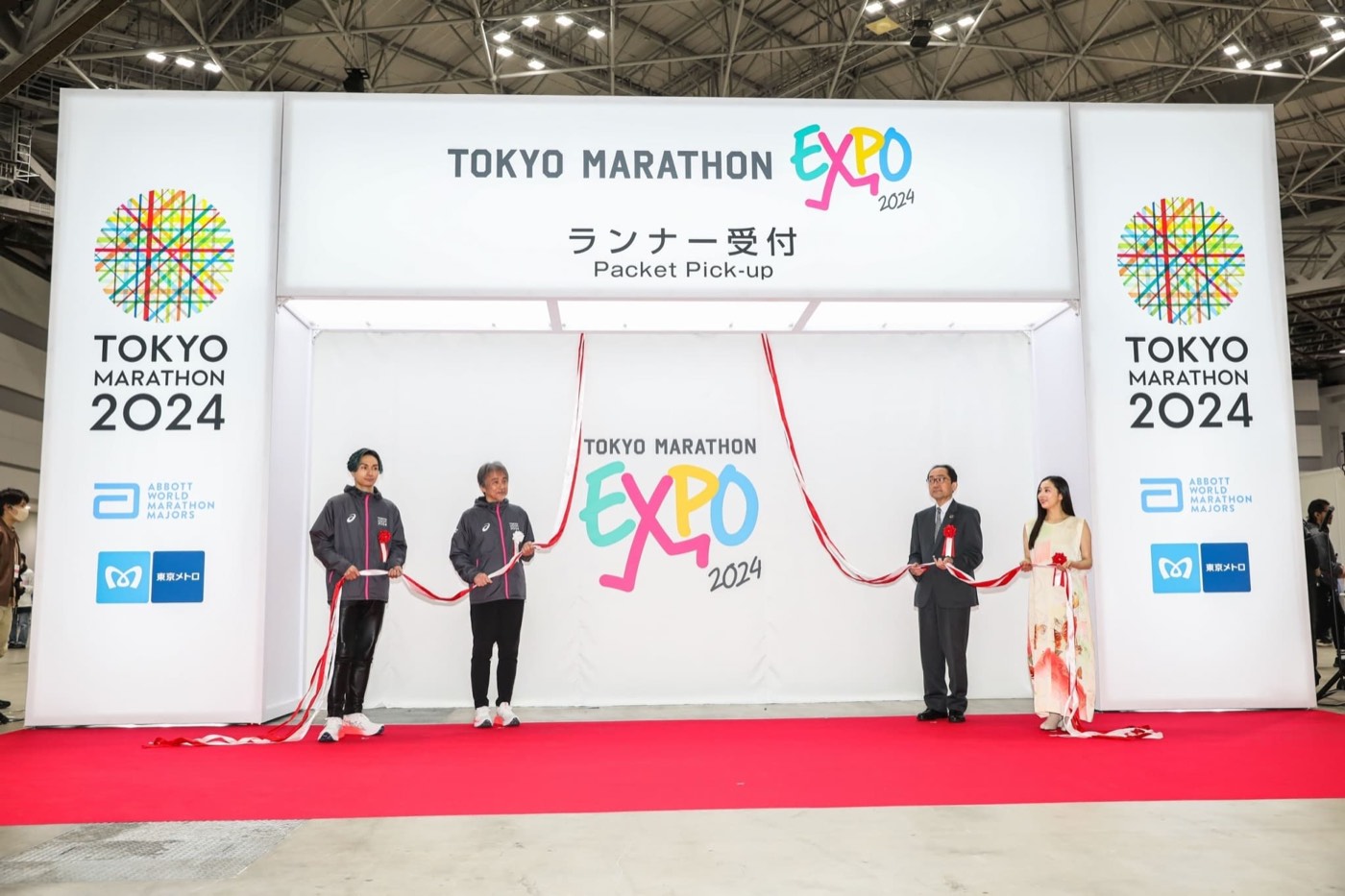
Energy Grape debuts at the Tokyo Marathon Expo, where the brand reports a day-two sell-out. OREHA also sponsors the Izumo Ekiden radio broadcast.
2025
A wider footprint.
The brand reports stockists in all 47 prefectures. Honey-Lemon launches, a Vietnam sports-authority supply agreement is announced, and the Energy gels earn Informed Choice certification.
2026
OREHA comes to Canada.
A discovery in Japan leads to a first Canadian conversation with Daito Suisan in May. The wider brand adds Grapefruit and announces further supply to Vietnam’s Asian Games team.